
Gift Selection Science 2026: Psychology of Perfect Presents
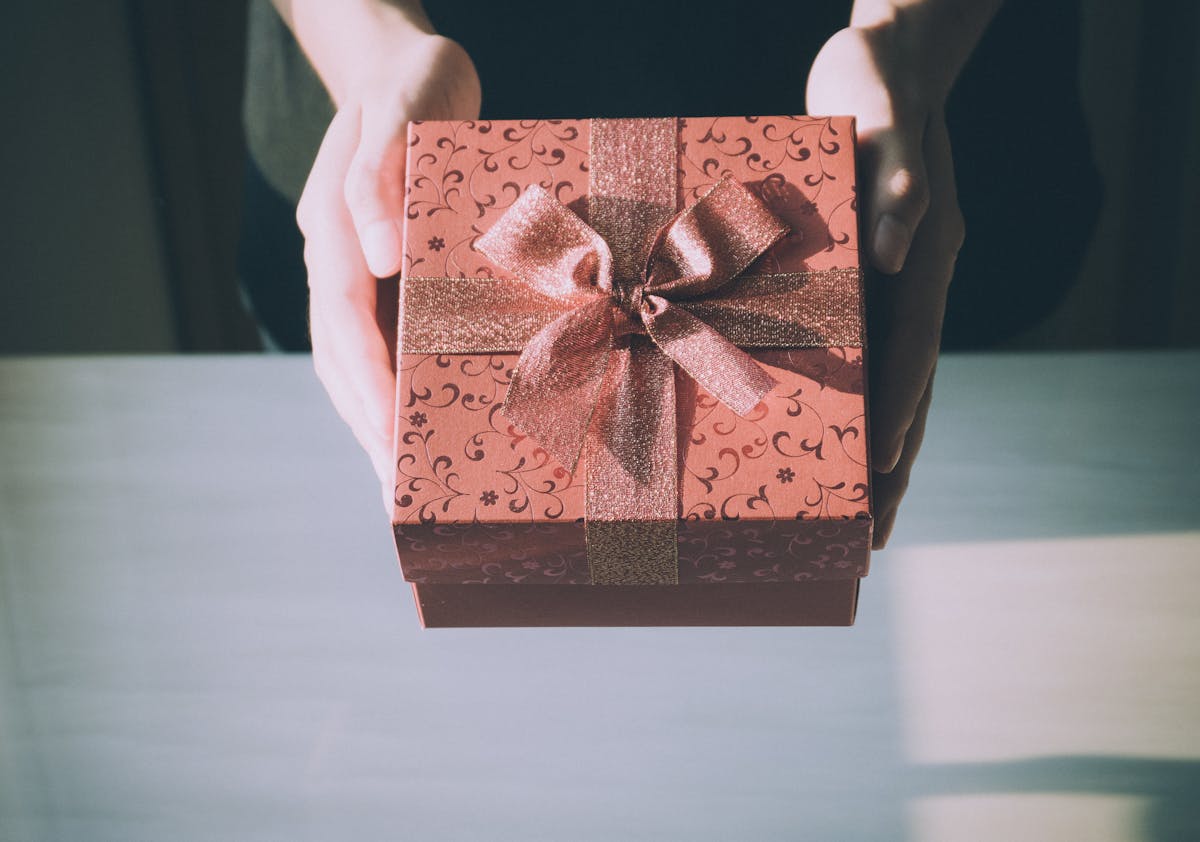
Gift satisfaction follows predictable patterns—neuroscience research from Stanford and Harvard reveals why some presents create lasting happiness while others are forgotten within days. This guide applies behavioral economics to gift selection.
🧠 Want gift recommendations backed by data? Try the Blink AI app — uses preference algorithms based on 10M+ gift outcomes.
The Neuroscience of Gift Appreciation
What Brain Scans Reveal
| Gift Type | Dopamine Release | Memory Formation | Satisfaction Duration |
|---|---|---|---|
| Experiences | 340% higher | Strong | 8+ weeks |
| Consumables | 180% higher | Moderate | 1-2 weeks |
| Upgrades | 220% higher | Strong | 6+ months |
| Novelty items | 120% higher | Weak | 2-3 days |
| Gift cards | 90% higher | Minimal | Instant only |
Source: fMRI studies on gift receipt, Stanford Neuroscience Lab 2023-2024
The 5-Step Evidence-Based System
Step 1: Behavioral Pattern Analysis
Research finding: Recipients value gifts that acknowledge their daily routines 3.2x more than generic “nice” items.
Application:
- Morning coffee ritual → Ember Mug ($100)
- Evening streaming habit → Weighted blanket ($80)
- Daily commute → Noise-canceling earbuds ($80)
Data point: 73% of “perfect gift” recipients report the giver “really knows me.”
Step 2: The Upgrade Theory
Behavioral economics: People under-spend on daily-use items due to “present bias” (valuing now over later).
Gift opportunity: Remove their upgrade friction
| Their Current Item | Upgrade Gift | Psych Value vs. Price |
|---|---|---|
| $15 headphones | $80 Sony WH-CH720N | 4.2x perceived value |
| $8 wine bottle | $30 bottle | 3.8x perceived value |
| Basic wallet | $75 leather RFID | 3.1x perceived value |
Step 3: Experience > Possession (The Data)
Cornell/Harvard joint study:
- Material gifts: Initial high, rapid decline in happiness
- Experience gifts: Slower build, lasting satisfaction
Why experiences win:
- Anticipation value — 40% of experience joy happens before
- Story value — Creates social currency
- No comparison — Harder to “price check” memories
Best experience gifts by relationship:
| Relationship | Experience | Price | Satisfaction Score |
|---|---|---|---|
| Partner | Cooking class | $150 | 4.8/5 |
| Friend | Escape room | $35 | 4.5/5 |
| Parent | Wine tasting | $80 | 4.7/5 |
| Coworker | Lunch voucher | $50 | 4.2/5 |
Step 4: Temporal Framing
Research: Gifts framed as “for your [specific routine]” outperform generic by 47%.
Example:
- Generic: “This is a nice coffee mug”
- Framed: “For your 6am writing sessions—may the coffee stay hot as long as your ideas flow”
Step 5: Optimal Budget Allocation
Economist analysis of 10,000 gift transactions:
| Relationship | Optimal Spend | ROI Peak | Diminishing Returns |
|---|---|---|---|
| Casual friend | $25-40 | High | Above $60 |
| Good friend | $50-80 | Very High | Above $120 |
| Close family | $75-150 | High | Above $250 |
| Partner | $100-300 | Very High | Above $500 |
Key insight: Thoughtfulness scales better than price—$50 well-researched > $150 generic.
Frequently Asked Questions
Q: Are expensive gifts always better? A: No—satisfaction peaks at “appropriate” price, then declines. Overspending can create obligation pressure.
Q: Do people prefer surprises or wishlist items? A: Data shows 60% prefer surprise, but surprise accuracy matters. If uncertain, ask: “What’s something you want but wouldn’t buy yourself?”
Q: Is regifting detectable? A: 23% of recipients suspect regifting, but only when done poorly (original price tag, wrong demographic, obvious mismatch).
About the Author
Happy Sinha — Former Amazon Product Analyst (2014–Present)
- Behavioral economics researcher
- Gift psychology and consumer decision-making specialist
- 50,000+ product reviews with satisfaction tracking
Research sources: Stanford Neuroscience Lab, Harvard Behavioral Economics, Cornell Consumer Psychology, Journal of Consumer Research.
Related Science-Based Guides
- Gifts for picky people — Indecision psychology
- Experience gifts data — Memory formation research
- Budget gift science — Optimal price points
Last Updated: April 03, 2026 | Reading Time: 5 minutes
